Author: TinyUTM

  • Coming in October: A New Italian Innovative Startup — TinyUTM Hardware & AIsteels Software

    We are pleased to announce the upcoming launch, in October, of a new Italian innovative startup bringing together TinyUTM hardware products and AIsteels software services.

    The new venture will combine compact testing hardware with materials decision intelligence software, addressing the evolving needs of businesses, R&D and educational institutions.

    Further details about the company and its offering will be shared in the coming weeks.

    TinyUTM – Universal Testing Machine for small specimens: www.tinyutm.com

    AIsteels – Materials Decision Intelligence: www.aisteels.it

  • EDU tier launching soon, stay tuned.

    We are in the final stages of preparing all key materials—including the Bill of Materials, case studies, and supporting documentation—for the release of our first version, designed for high schools and universities across the European Union. Pre-orders will open shortly.

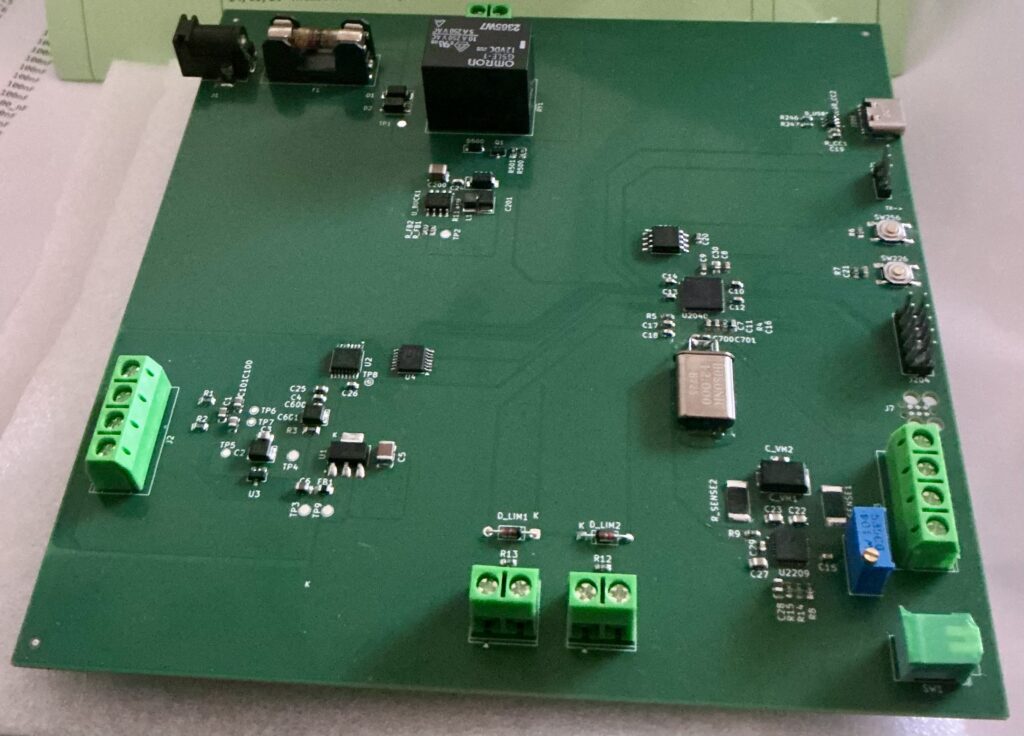
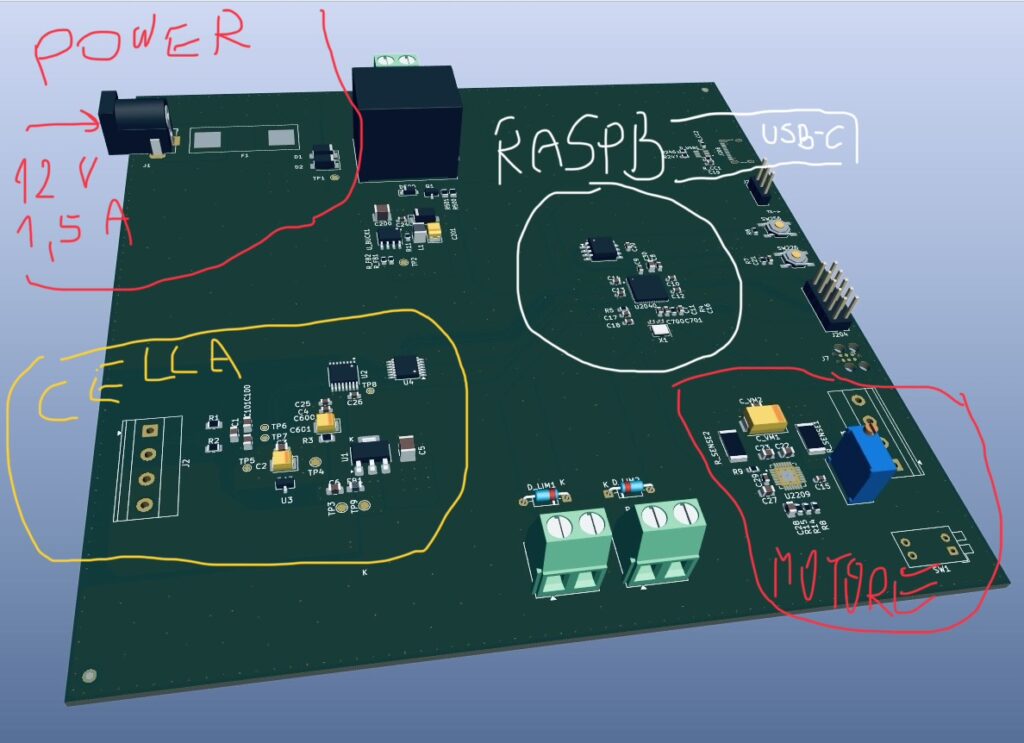
  • The PCB for TinyUTM master

    Moving from simple but messy electronics to semi-industrial PCB solutions is neither easy nor quick when certification is the goal. And yet, we’re pretty much there now. Assembly and testing are next.

    Preliminary summary — all electrical checks on the bare board passed:

    No shorts between +12V, +5V, +3V3_DIG, +3V3_ANA, VREF and GND/AGND

    Full continuity along all expected paths (regulator→ferrite bead, feedback divider, USB protection)

    No shorts on any pin of J206, including D+/D-

    No shorts on D_USB1

    Everything consistent with the schematic, no surprises.

  • Frame and mounting improved for Class 1 certification

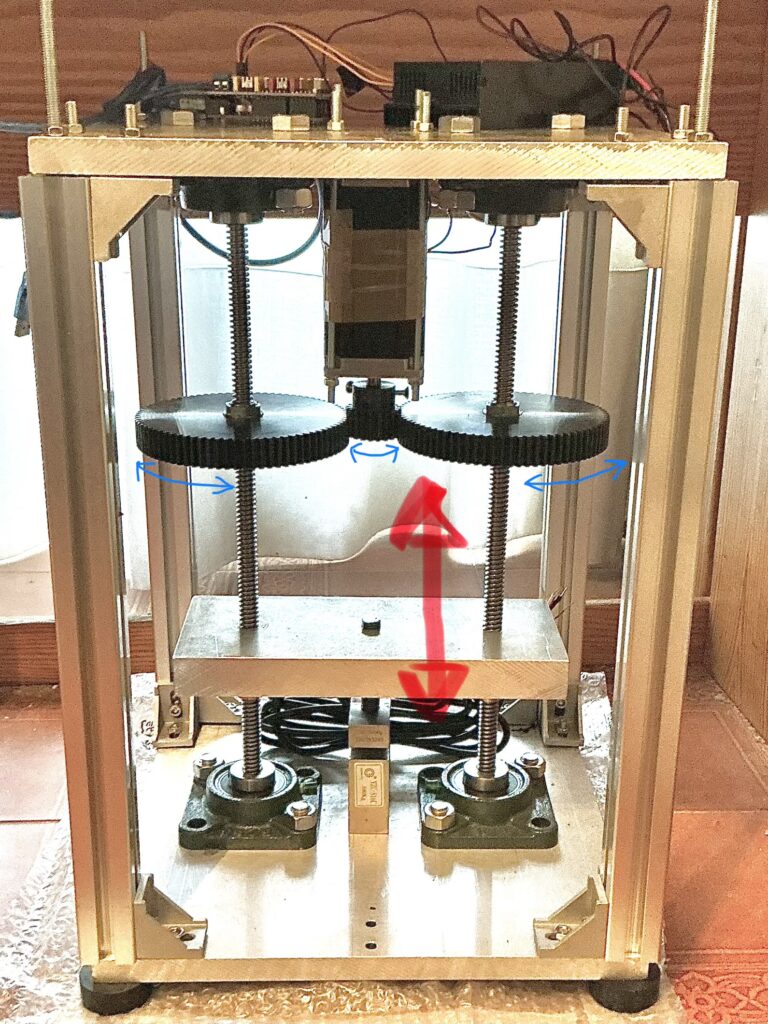
    For Class 1 LAT certification, the mechanical frame, gear train, and testing system play a decisive role in achieving the required accuracy and repeatability. To support these requirements, several straightforward but effective improvements are being introduced: a dedicated motor mounting bracket that rigidly secures the motor to the frame plate, improved coaxial alignment of the gear shafts, and controlled preload prior to testing.

    The next milestone is the first complete system assembly, followed by calibration and validation to verify the performance of the upgraded design.

  • Pre-launch testing, certification and documentation

    We are completing a structured pre-launch validation program covering: performance verification; standards compliance testing; safety and regulatory requirements; software and data integrity; reliability and environmental testing; and quality management processes.

    Deliverables include: CE Declaration of Conformity, Technical Specification Sheet, User Manual, Software Documentation, Product Liability Coverage, and Service Infrastructure.

    Each machine is factory-verified using reference instrumentation traceable to ISO 7500-1 Class 1 standards. Accredited calibration is available on request.

    The official TinyUTM launch will take place once all validation items have been satisfactorily completed.

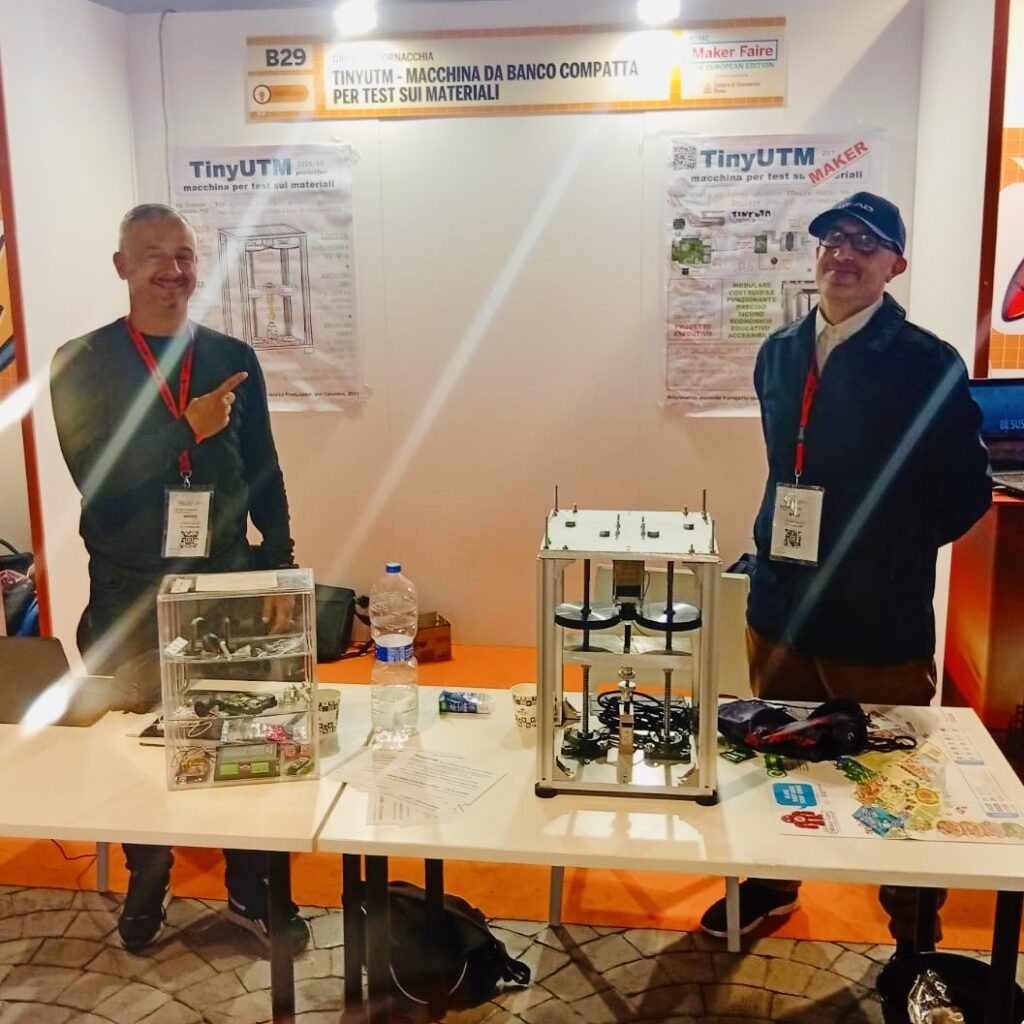
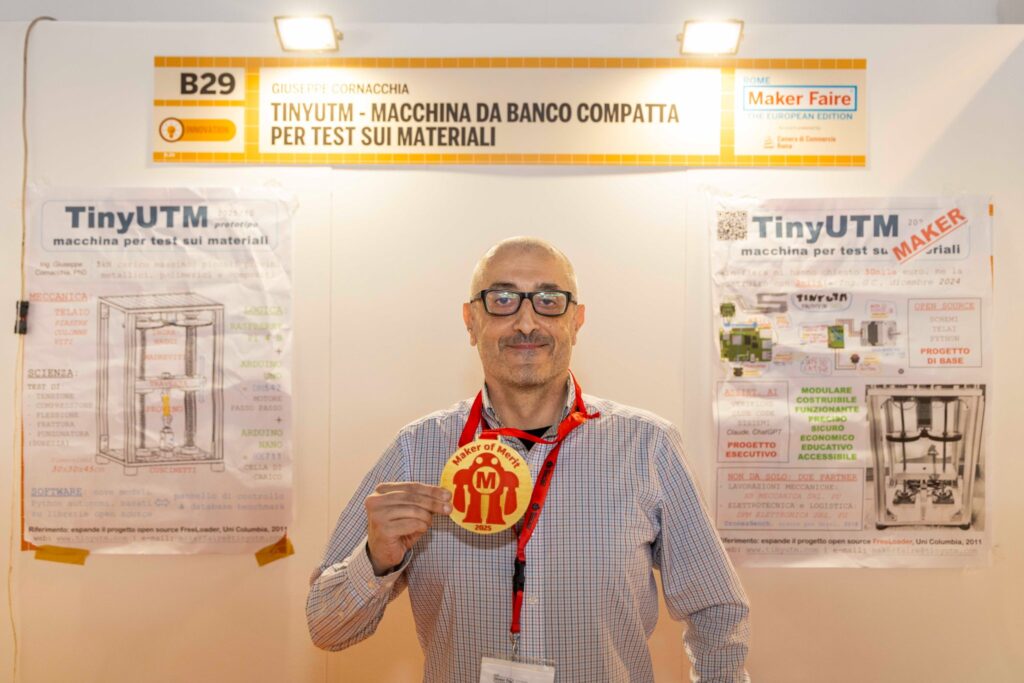
  • Maker Faire Roma 2025

    Assegnato a TinyUTM uno dei Maker of Merit della fiera, clicca qui per leggere il post ufficiale sul blog Maker Faire Roma 2025! #MFR2025

    Scarica l’allegato file .pdf : poster maker in formato A1

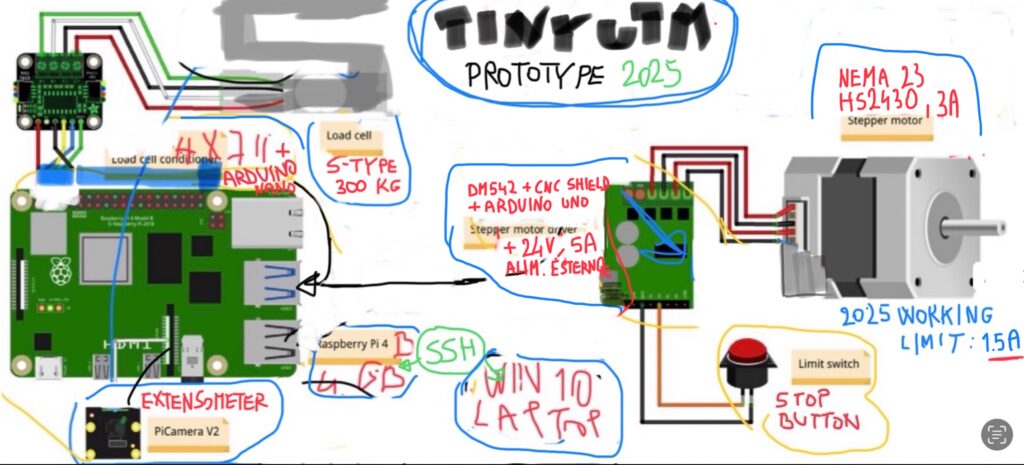
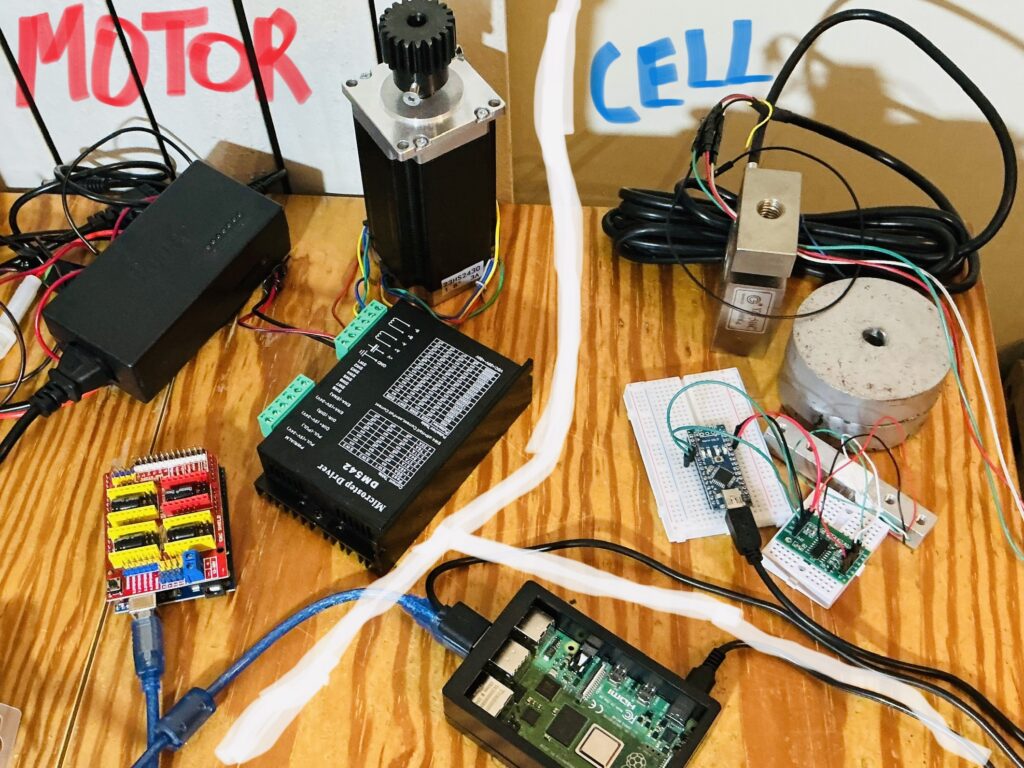
    TinyUTM prototype – working schematic

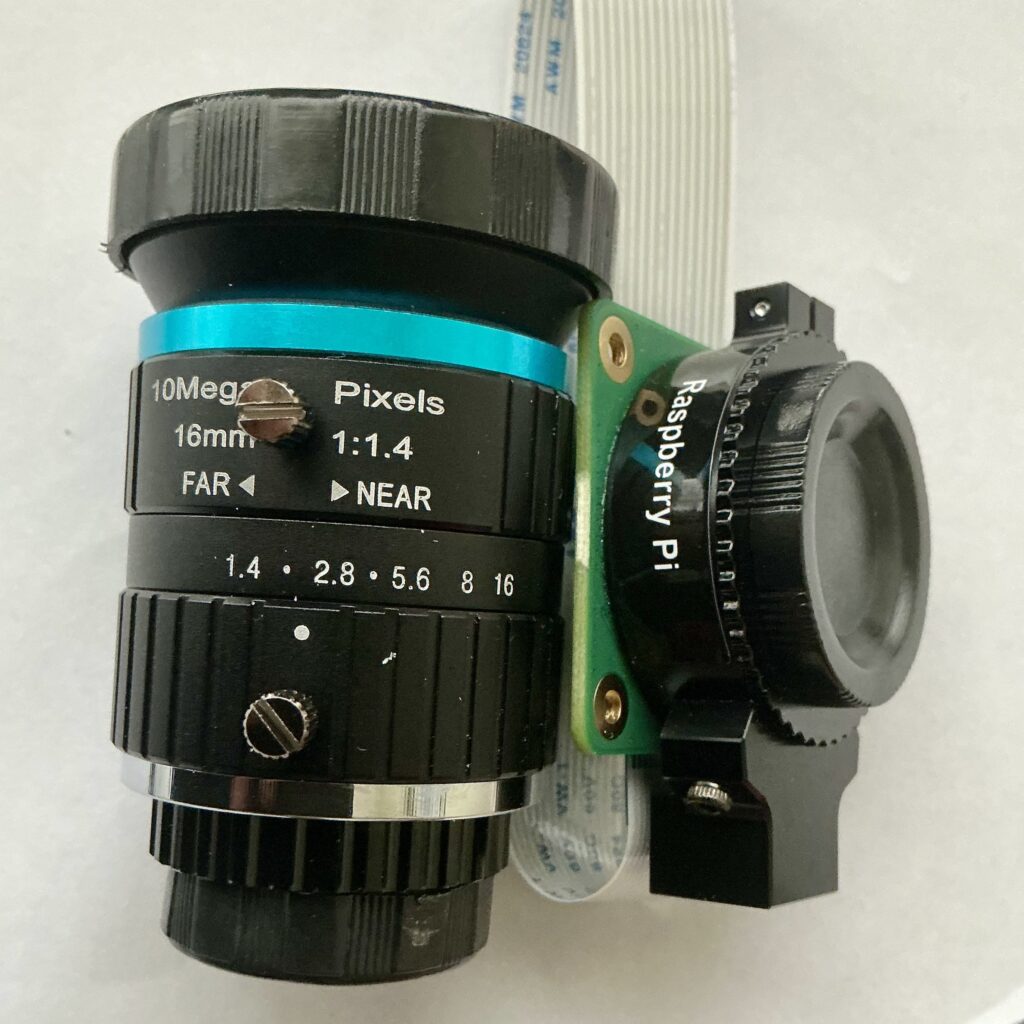
    Now what? To achieve Class 1 certification, several components — including the load cell, amplifier, electronics, and cables — must be upgraded. This will move the prototype to the pre-commercial phase.

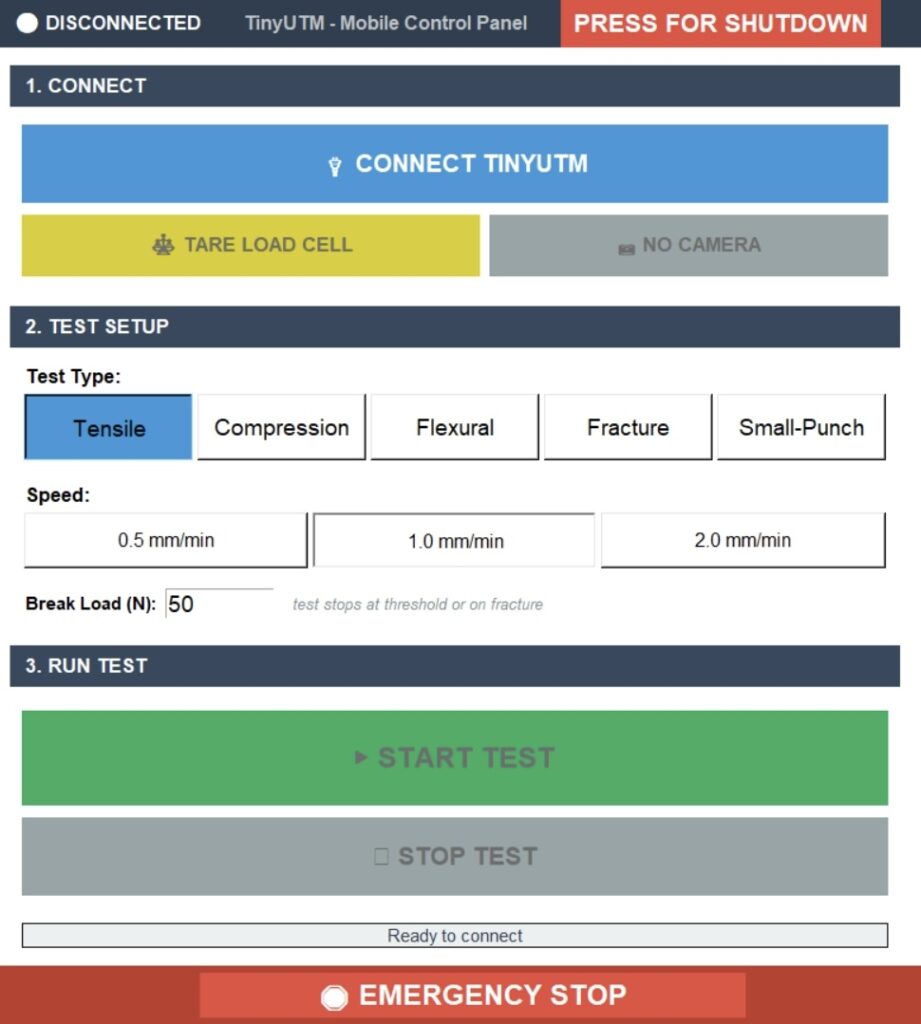
  • How TinyUTM works as an UTM

    Nine parameters have been selected as the minimal, necessary and sufficient whole to characterize metals, polymers and composites at room temperature. In accordance, the .JSON schema for TinyUTM has been devised as follows:

    {
    “materials”: [“Metal”, “Polymer”, “Composite”],
    “tests”: [“Tension”, “Compression”, “Flexural”, “Fracture”, “Small-Punch”],
    “specimens”: [“ISO Compliant”, “Custom”],
    “test_speeds”: [0.5, 1.0, 2.0],
    “parameters”: [“yield_strength_MPa”, “ultimate_tensile_strength_MPa”, “youngs_modulus_GPa”, “elongation_at_break_percent”, “flexural_strength_MPa”, “flexural_modulus_GPa”, “fracture_toughness_KIC_MPa_sqrt_m”, “JIC_kJ_per_m2”, “energy_to_fracture_J”],
    “advanced_parameters”: [/* in case of expansion */]
    }

    This .JSON is a fundamental, static implementation of ASTM standards, specimen dimensions, material categories and property ranges. On top of that , a .csv file will store the original raw data from every test in the form of: load, displacement and time for post-processing. Any mechanical parameter of interest in materials science can be devised from that numerically, once the test setup is known, therefore a .csv file will be the primary output of TinyUTM as a universal testing machine. In addition, a database of benchmarks from validated literature acts as reference for any post-processing.

  • TinyUTM’s original reference

    Our very first TinyUTM’s idea in late 2024 was aimed at reproducing the open-source FreeLoader’s work by Amend, McNicoll and Lipson, 2011, University of Columbia, paper reference: “FreeLoader: An Open Source Universal Testing Machine for High-Throughput Experimentation“, ASME IDETC/CIE Conference, Washington, DC, 2011. Other than tensile tests of non-metal and/or additively manufactured specimens, we wanted to try the recent small punch test for metals, all within a 3kN load capacity instead of their 5kN.

  • AI steels R&D needing TinyUTM

    FOUR INTERESTING MATERIALS FOR 2025

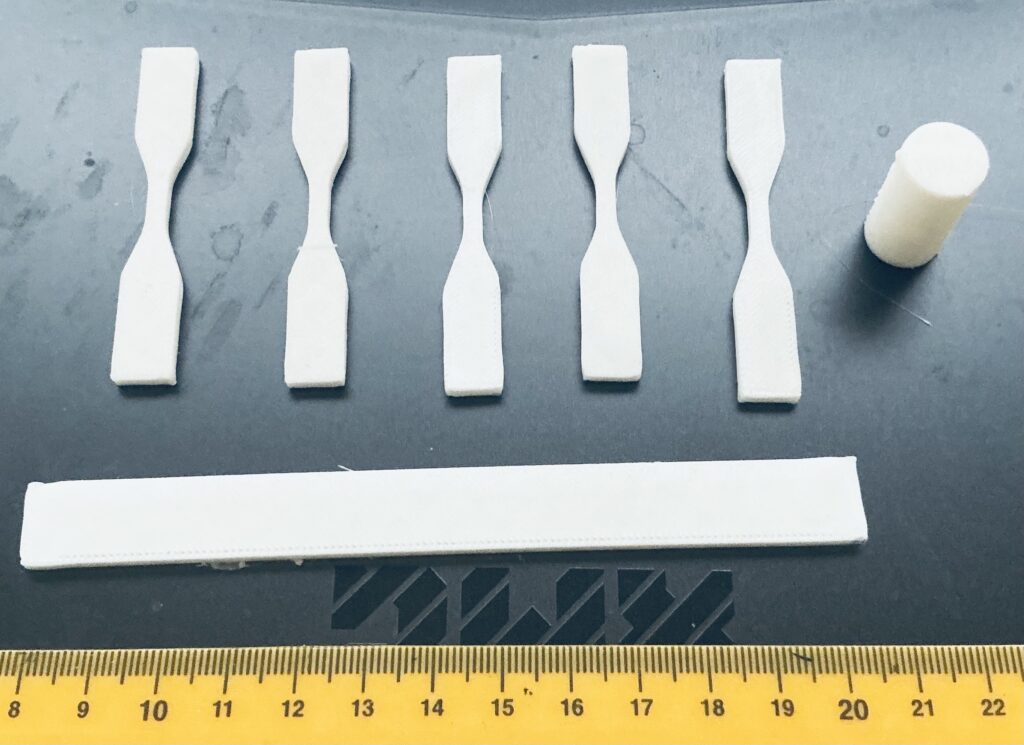
    The following materials, still at an early or mid technological readiness level, can be prepared and tested in-house for preliminary R&D work or dissemination purposes, employing a metallurgy lab (5 kN universal testing machine with small punch test addition + small tube furnace + modified 3D printer for injection molding + standard lab equipment) worth as little as 5k euros:

    • Fe-18Cr-8Ni-2Mn-1Cu-0.1N (austenitic stainless steel): automotive applications;
    • Fe20Cr20Ni20Mn20Co20 (Cantor high entropy alloy): similar to austenitic steel, space applications;
    • 70% PLA + 20% PHB + 10% limonene as plasticizer (bioplastic): packaging applications;
    • PLA with 2% graphene nanoplatelet (conductive polymer): electronics applications.

    There are no non-standard risks associated, so any qualified operator should be able to process the materials and execute the tests by following checklists for safety and for the reliability of results.