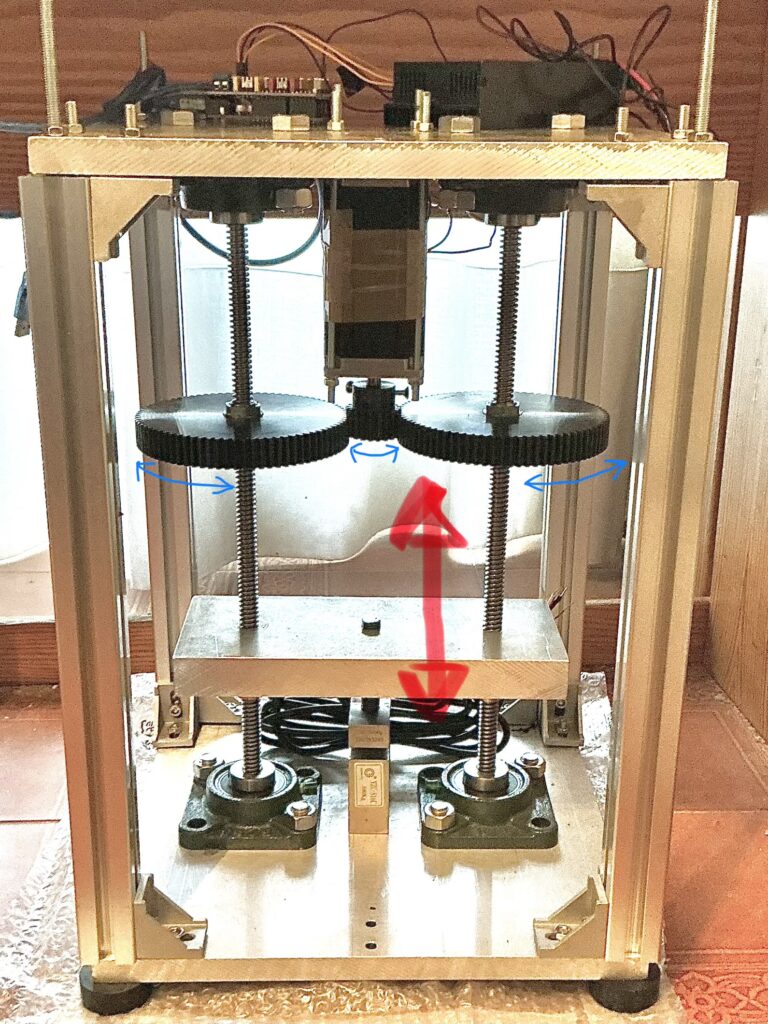
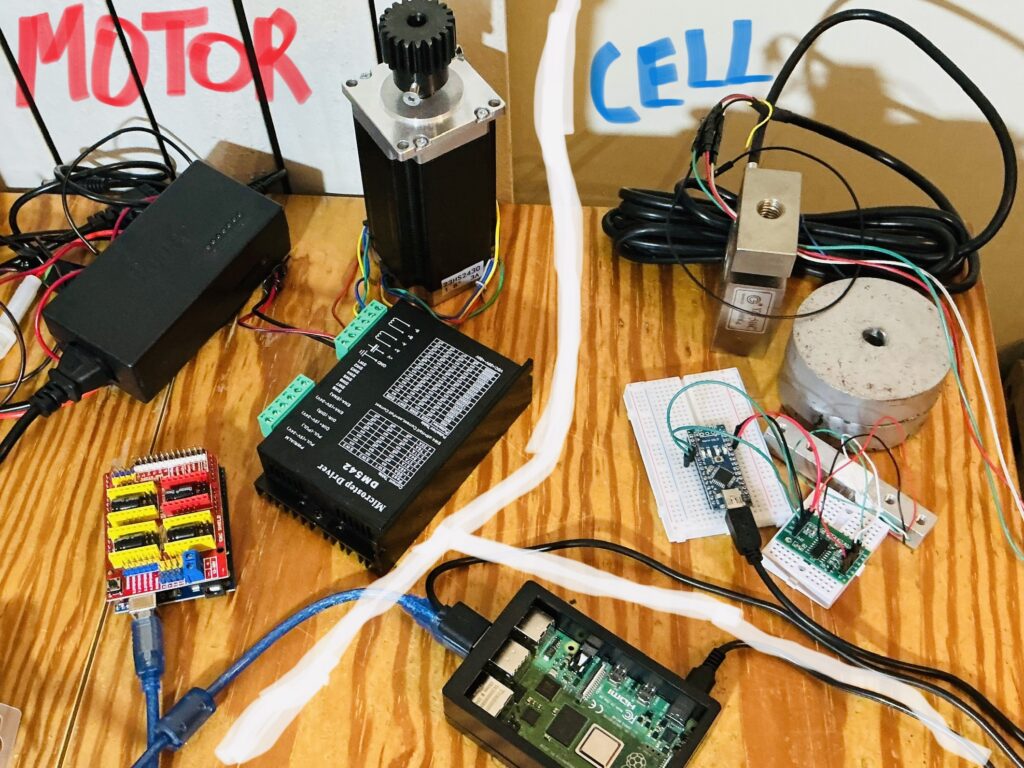
Ten parameters have been selected as the minimal, necessary and sufficient whole to characterize metals, polymers and composites at room temperature. In accordance, the .JSON schema for TinyUTM has been devised as follows:
{
“materials”: [“Metal”, “Polymer”, “Composite”],
“tests”: [“Tension”, “Compression”, “Flexural”, “Fracture”, “Small-Punch”],
“specimens”: [“ISO Compliant”, “Custom”],
“test_speeds”: [0.5, 1.0, 2.0],
“parameters”: [“yield_strength_MPa”, “ultimate_tensile_strength_MPa”, “youngs_modulus_GPa”, “elongation_at_break_percent”, “compressive_strength_MPa”, “flexural_strength_MPa”, “flexural_modulus_GPa”, “fracture_toughness_KIC_MPa_sqrt_m”, “JIC_kJ_per_m2”, “energy_to_fracture_J”],
“advanced_parameters”: [/* in case of expansion */]
}
This .JSON is a fundamental, static implementation of ISO/EN standards, specimen dimensions, material categories and property ranges. On top of that , a .csv file will store the original raw data from every test in the form of: load, displacement and time for post-processing. Any mechanical parameter of interest in materials science can be devised from that numerically, once the test setup is known, therefore a .csv file will be the primary output of TinyUTM as a universal testing machine. In addition, a database of benchmarks from validated literature acts as reference for any post-processing.